It is normal for vision to change over time, but not every change should be considered an inevitable part of aging. A comprehensive eye exam can identify changes in your prescription, evaluate eye health, and detect certain conditions before they noticeably affect your sight.
Routine care gives you and your eye doctor a clearer picture of how your vision is changing and what steps may help protect it.
What vision changes are common with age?
Many adults first notice age-related vision changes when reading small print, using a smartphone, or working at a computer becomes more difficult. This common change, called presbyopia, often begins in the 40s and may make reading glasses or multifocal lenses helpful.
Other changes that may become more noticeable with age include:
- Increased sensitivity to glare, especially while driving at night
- Dry, irritated, or watery eyes
- More difficulty adjusting between bright and dim lighting
- Blurry vision or a need for more frequent prescription updates
- Reduced contrast sensitivity, which can make steps, curbs, and low-light spaces harder to see
While some changes may be manageable with updated eyewear, others can point to an eye health concern that needs professional attention.
Why are routine eye exams important as you age?
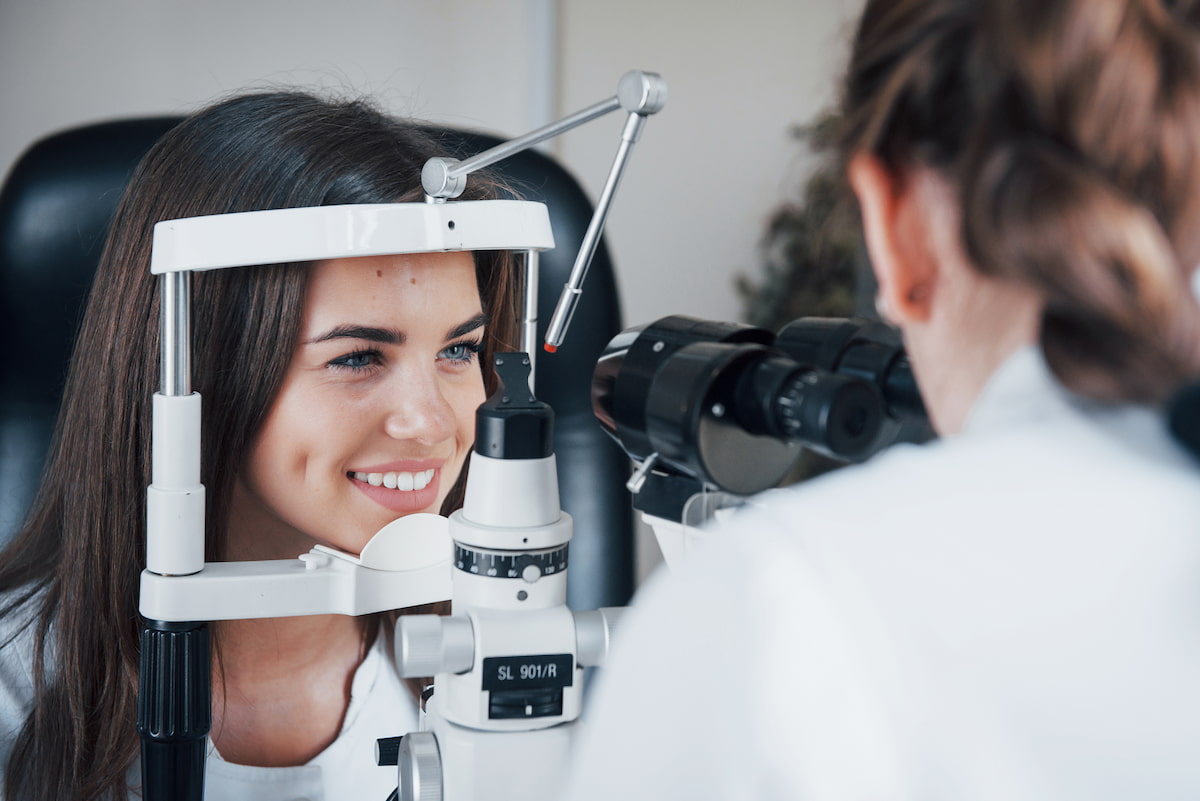
Routine eye exams do more than determine whether you need new glasses. They allow your eye doctor to examine the health of the structures inside and outside your eyes, including areas you cannot see or assess on your own.
Many age-related eye conditions develop gradually and may not cause obvious symptoms in their early stages. Regular exams may help detect eye diseases and other concerns such as cataracts, glaucoma, diabetic eye disease, and age-related macular degeneration before vision loss becomes more significant.
Age-related macular degeneration affects the central part of vision used for tasks such as reading, recognizing faces, and seeing fine details. Understanding the signs and risk factors of age-related macular degeneration can help you know when to seek care, but routine exams remain an important part of early detection.
What symptoms should prompt an eye exam sooner?
Do not wait until your next routine visit if you experience a sudden or concerning change in vision. Contact an eye doctor promptly if you notice:
- Sudden blurry, distorted, or reduced vision
- New flashes of light or a sudden increase in floaters
- A dark spot, shadow, or curtain in your field of vision
- Eye pain, redness, or persistent discomfort
- Straight lines appearing wavy or distorted
- Difficulty seeing well enough to drive safely
Even gradual symptoms deserve attention. Squinting more often, needing brighter light to read, or struggling with glare may mean it is time for an updated evaluation.
Protect your sight with regular eye care
Aging does not have to mean accepting preventable vision loss. Routine comprehensive eye exams can help you stay ahead of prescription changes, monitor your eye health, and address concerns at the right time.
Our superb optometrists provide thorough comprehensive care for adults and their families. Our Overland office in St. Louis and St. Charles office receive stellar reviews for the care provided by our doctors and staffs. Schedule an eye exam to take an active role in protecting clear, comfortable vision for the years ahead.