
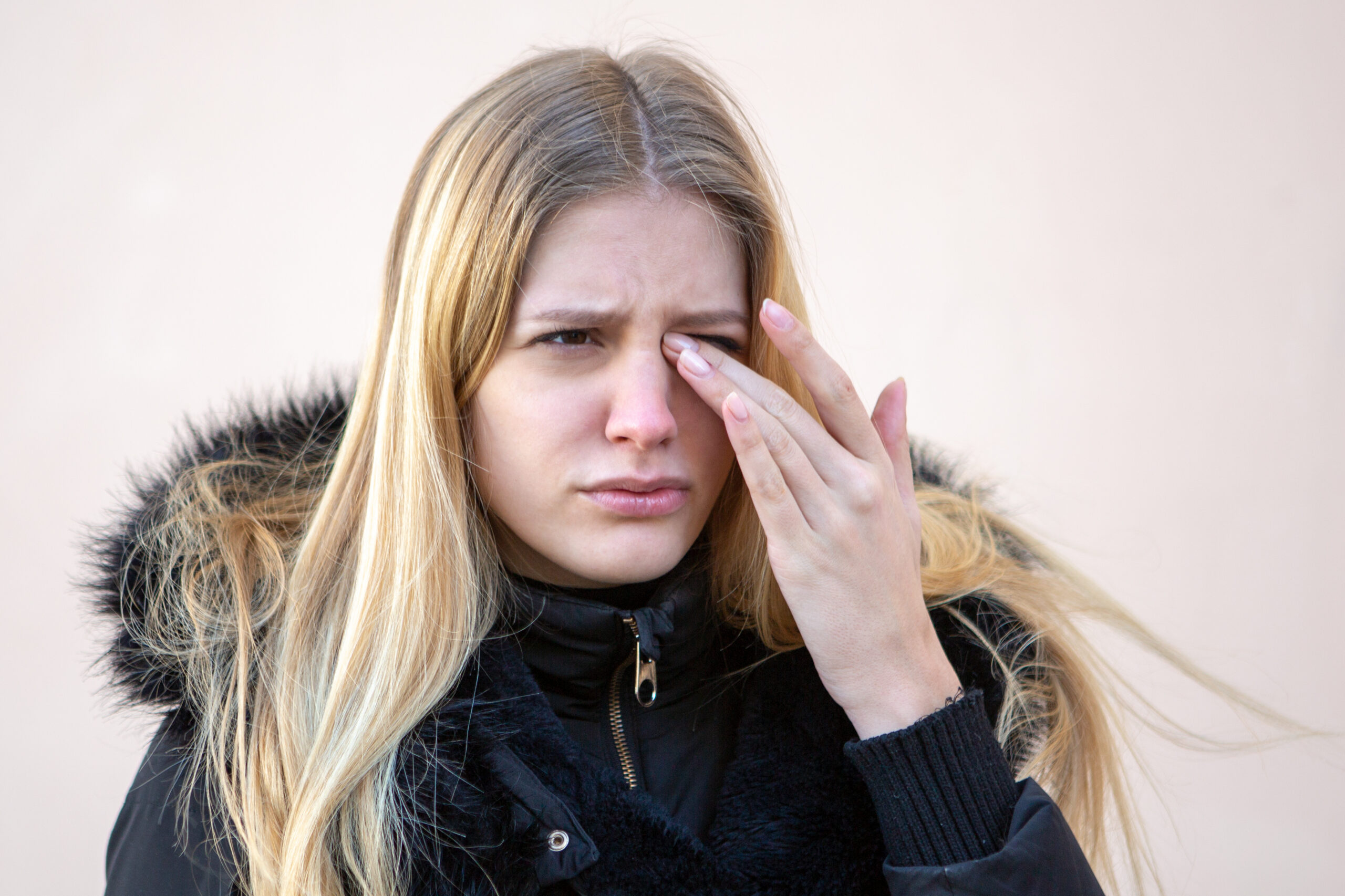
Spring is a beautiful time of year, but it can have a way of making your eyes feel miserable. If your mornings start with itchy lids, a gritty feeling, or that “I barely slept” look, seasonal allergies may be to blame. A comprehensive eye exam can be a surprisingly helpful reset button each spring, especially if your symptoms overlap with dry eye or you’ve tried over-the-counter drops with mixed results.
This guide is designed to help you find relief from eye-related allergy symptoms, so you can enjoy patio season, youth sports, and weekend walks without constantly reaching for tissues or eye drops.
Why spring allergies hit your eyes so hard
Tree and grass pollen don’t just trigger sneezing. They land directly on the surface of your eyes and irritate sensitive tissues. Your body responds by releasing histamines, which can inflame the conjunctiva (the thin membrane covering the white of the eye and inner eyelids).
That reaction often shows up as:
- Watery eyes that seem to run nonstop outdoors
- Itching (often intense, and worse at the inner corners)
- Redness and swelling of the eyelids
- A burning or stinging sensation
- Light sensitivity
- Blurry vision that comes and goes
Allergy eyes vs. dry eye (it might be both)
People are often surprised to hear that allergies can trigger or worsen dry eye. If your eyes water a lot, it doesn’t automatically mean they’re “well hydrated.” Reflex tearing can happen when your eyes are irritated, but those tears may not have the right balance of oils and mucins to lubricate.
Clues your symptoms may involve dry eye, too:
- Grittiness or “sand in the eyes” feeling, especially later in the day
- Burning, tired eyes after screens or driving
- Fluctuating vision that improves after blinking
- Symptoms that persist even when pollen counts drop
If you’re stuck in a loop of watering, burning, rubbing, and repeating, this overlap could be the reason.
Everyday habits that reduce eye allergy flare-ups
You don’t have to live indoors all spring. A few small changes can dramatically cut down how much pollen reaches your eyes:
- Wear wraparound sunglasses outside to block airflow and pollen
- Rinse your eyelids/lashes after being outdoors
- Shower before bed to keep pollen off pillows and sheets
- Use artificial tears (preservative-free is often best) to rinse allergens from the eye surface
- Avoid rubbing your eyes, as it releases more histamine and can worsen swelling
- Run a HEPA filter in your bedroom during peak pollen weeks
Relief options that target the eyes
Not all “redness relief” drops are created for allergy season. Some drops can even cause rebound redness with frequent use.
Common eye-focused options include:
- Antihistamine/mast cell stabilizer drops (often used once or twice daily)
- Cold compresses for itching and eyelid swelling
- Lubricating drops to calm irritation and support the tear film
- Dry eye treatments (if your tear quality is part of the problem)
If symptoms are affecting your vision, comfort at work, or contact lens wear, its worth getting guidance tailored to your eyes.
What to expect from an eye exam during allergy season
At an allergy-focused visit, your eye doctor can look closely at the tissues and tear film to pinpoint what’s driving your symptoms.
During a visit, we may evaluate:
- The surface of your eye for inflammation or damage
- Eyelid health (including oil glands that affect tear stability)
- Signs of allergic conjunctivitis vs. infection
- Whether dry eye is contributing to watery eyes
- Contact lens fit and whether a temporary change would help
Finish spring with clearer, calmer eyes
You deserve to enjoy spring without constantly battling itchy, watery, irritated eyes. If allergy symptoms are disrupting your days, or you suspect dry eye is part of the picture, schedule an appointment at Overland Optical Family Eye Care or St. Louis or St. Charles. A targeted evaluation and treatment plan can help you feel comfortable faster and protect your eye health throughout the season.